
Small garage door issues that can turn into expensive problems
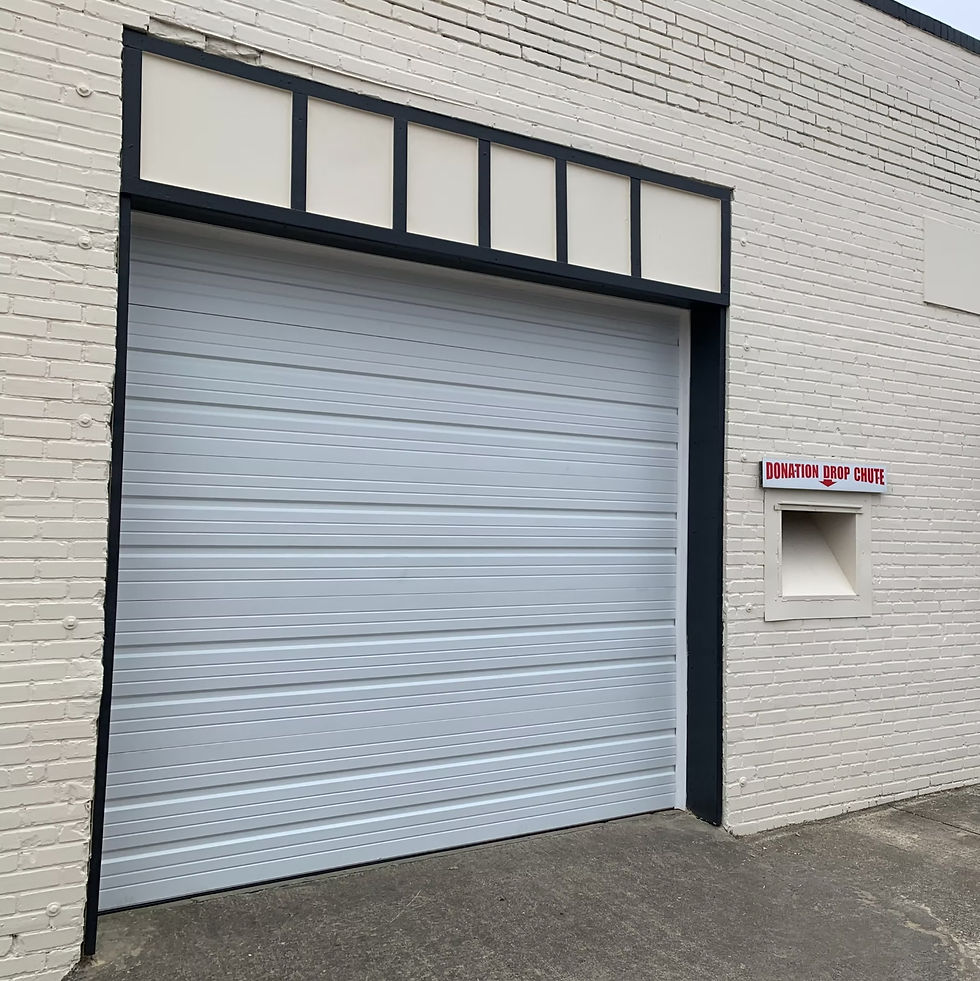
Most of us stop noticing the garage door until something goes wrong. It squeaks a little, the remote takes a second try, or one side seems to rise slower than the other. You shrug and keep driving. That’s how small annoyances turn into a broken door on the one morning you’re running late.
Why small problems get expensive
A garage door is the biggest moving object in most homes, and it runs on springs, cables, rollers, tracks and sensors that all depend on each other. When one part wears down, the others work harder to make up for it. That extra strain spreads fast. A worn roller becomes a bent track, and a tired spring takes the opener with it.
Warning signs worth taking seriously
Catching problems early is usually cheap. Ignoring them rarely is. A quick call for garage door repair at the first odd noise often costs far less than replacing a part that failed under load.
Grinding, squeaking or popping: Dry rollers, worn hinges or a spring losing tension often make noise first.
Jerky or slow movement: The door should glide. Shaking or hesitation points to track, roller or balance trouble.
Uneven rise or a sagging side: A door that tilts as it moves may have a stretched cable or an unbalanced spring.
Sensor and remote glitches: A door that reverses for no reason or ignores the remote may need sensor alignment or opener attention.
Check that sensors are clean and level
Swap remote batteries before assuming the worst
Visible wear: Frayed cables, rusty hardware and cracked rollers all deserve attention.
What northeast Georgia weather does to your door
Humid summers, sudden temperature swings and heavy pollen season are rough on moving parts. Moisture rusts hardware and swells wood panels. Heat dries out grease and weatherstripping. Homeowners looking for garage door service jefferson ga often start with one of those everyday problems, not a dramatic failure.
Small damage that isn’t just cosmetic
A dented panel or cracked section may look minor, but it weakens the door’s structure. Torn weatherstripping lets in water, pests and drafts. Bent track sections make the door bind. Each one gets harder and pricier to fix the longer it sits.
A quick monthly check
You don’t need special skills for a basic once-over. Five minutes a month is enough:
Listen: Note new sounds when the door opens and closes.
Look: Scan cables, rollers, hinges and springs for wear, but don’t touch them.
Test auto-reverse: Lay a piece of scrap wood flat in the door’s path, and the door should reverse on contact.
Lubricate: Apply a garage door lubricant to hinges and rollers, as the manufacturer advises.
Monthly checks catch the obvious stuff. Anything involving springs, cables or a door that’s off track is a job for a professional. Homeowners who book residential garage door repair flowery branch early usually avoid the bigger bill that comes with a failed part.
The real cost of waiting
A worn roller is an easy fix. A snapped cable that pulls the door off its track is not. Small parts fail in a chain, and emergency calls usually cost more than planned visits. Waiting also raises the risk of a door that suddenly won’t open, with a car stuck inside.
Hardware that wears quietly
Springs, cables and rollers do most of the heavy lifting, and they wear out gradually. Springs have a limited number of cycles, and cables can fray where you can’t easily see them. Never touch either one yourself, because both are under serious tension and can cause injuries.
When to call a professional
Reading up on the Signs Your Garage Door Needs Repair helps you judge when a quick check isn’t enough. Springs, cables, opener motors and off-track doors all deserve a trained technician’s careful attention. A local company such as Peach State Garage Doors, which serves Jefferson, Flowery Branch and Hoschton, can inspect the whole system and flag other worn parts before they fail.
Simple habits that prevent most problems
Keep tracks clear of dirt and debris
Tighten loose track and hinge bolts
Replace worn weatherstripping before water gets in
Keep remote batteries fresh
Wipe sensors with a soft cloth
Trim shrubs and clutter away from the door’s path
Book a yearly inspection even if nothing’s wrong
Consistent Garage Door Maintenance also helps you spot wear sooner, which keeps small fixes small. A few minutes each month beats a repair bill that arrives without warning.
Conclusion
Small garage door problems rarely stay small. A noisy roller, a slow remote or a frayed cable usually means your door wants attention. Listen to it, check the basics each month and call a professional for springs, cables and tracks. Acting early protects your budget and your safety.
FAQs
Why does my garage door make noise?
Dry rollers, worn hinges or loose hardware are common causes and worth checking early.
Is a slow or jerky door a serious problem?
Yes, it often signals balance, track or spring trouble that tends to get worse.
Can I replace a broken spring myself?
No, springs hold dangerous tension, so leave them to a trained technician.
How often should I have my door inspected?
Once a year is a good rule, plus a quick personal check every month.
Why does my door reverse on its own?
Dirty or misaligned sensors are the usual cause, so wipe them and check their alignment.


Comments